
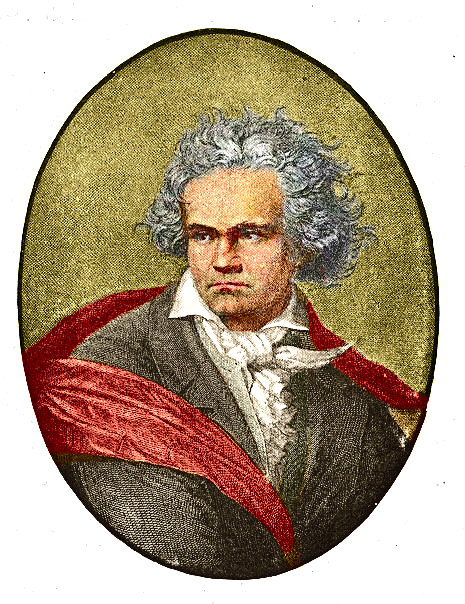
Ludwig van Beethoven’s Symphony No. 2 is a definite marker in the composer’s musical journey. While the First Symphony hinted at Beethoven’s innovative spirit, the Second expands beyond the progressive inklings in the First with its intensity and individuality. In the Second Symphony, Beethoven writes in a self-confident Romantic-leaning style, conveying a more heroic and introspective tone. This symphony also plays with an even greater emotional range and structural experimentation.
Beethoven wrote most of the Second Symphony during his summer at Heiligenstadt in 1802. It premiered the following year in April, conducted by Beethoven himself. The Classical-period work in four movements was dedicated to Karl Alois, Prince Lichnowsky of Woschütz.
It was during the same period of time when he composed the Second Symphony that Beethoven wrote the private letter later deemed the Heiligenstadt Testament, as mentioned in The Man, The Myth, The Legacy. Beethoven was about 30 years old, and his deafness was worsening. He began to fear it might be incurable. This caused him significant despair and forced him into solitude as it made social interactions painful. His letter describes the emotional torment caused by his condition, the frustration of being misunderstood, and the humiliation of not being able to hear instruments or voices in the same way that others could.

Despite his monumental struggles, he resolved to persevere in his music, seeing it as his ultimate purpose and the reason to continue living. The Second Symphony is almost an audible manifestation of this declaration. Even through this emotionally turbulent period, the symphony evokes a blend of vitality and humor – a kind of quiet resilience that serves as a musical portrait of a man defiantly alive despite deep personal crisis.
The sound of the symphony overall is lively, crisp, and fun, even in the shadow of the composer’s personal loss. It is known as one of the last of Beethoven’s early works, serving as a bridge between Classical tradition and Beethoven’s heroic style. The emotional arc moves from solemn reflection to joyful exuberance, mirroring Beethoven’s own resolve to “seize fate by the throat.”
What To Listen For:
Movement I: Adagio molto, Allegro con brio
- The solemn, expansive introduction is primarily in D major with a brief modulation to B♭ major. Next, a bright, driving Allegro full of rhythmic momentum and brilliance. The contrast between the meditative introduction and the spirited main theme creates a sense of hope emerging from the stillness. The movement sets the tone for the remaining three movements and is characterized by its innovative harmonies, bold thematic contrasts, and rhythmic ingenuity.
Movement II: Larghetto
- The second movement is a stark contrast against the first. It is gentle and lyrical. Listen for flowing melodies, rich orchestral textures, and moments of introspection that reveal a more tender side to the composer. This movement is one of Beethoven’s longest symphonic slow movements. You can clearly hear some indication of folk influence. It introduces the main theme in the strings, then repeats it in the woodwinds, followed by many other themes that modulate to new keys and take the listener on a unique musical journey.
Movement III: Scherzo: Allegro – Trio
- Beethoven experiments in the third movement by replacing the traditional minuet with a playful, dynamic Scherzo filled with rhythmic delight and “Beethovenian jokes”. This movement gives the symphony more playful energy and contrast. These musical jokes are not literal puns, but structural and expressive surprises: unexpected harmonies, abrupt dynamic changes, and thematic leaps that delight and unsettle the listener. Listen for the staccato quarter-note figures played by various instruments. The movement is playful yet powerful, a departure from the traditional gentle minuet, showcasing Beethoven’s ability to transform the medium into something entirely new.
Movement IV: Allegro molto
- The fourth movement is a fast-paced humorous finale composed of rapid string passages, thematic variations, intricate counterpoint, and dynamic contrasts. It is bursting with invention and unstoppable drive, leaving listeners in awe at all the comic and tragic elements. Listen for abrupt starts and stops, brilliant sforzandos, and a triumphant end with an almost mischievous flourish – a true celebration of life and creativity.
How Beethoven Expanded on the Foundations of his First Symphony
- Structural and formal expansion
- Beethoven’s First Symphony followed a traditional Classical four-movement layout while the Second replaced the minuet with a scherzo, giving the work greater dynamism and a more modern, lively character.
- Greater dynamic and emotional range
- The First Symphony was elegant and balanced while the Second is more forceful and varied. Here, Beethoven introduces sudden fortissimos, bold modulation, and musical “jokes” that delighted and shocked his audience. The finale has a more playful and propulsive character than the First’s statelier conclusion.
- Expanded orchestration and texture
- The Second Symphony’s scoring expands on the First’s simpler instrumentation. Beethoven adds several horns, trumpets, and clarinets made in other keys. He takes advantage of the added color to create a more vivid, happy atmosphere.
- Deeper integration of personal context
- The Second Symphony is a product of the moment in time in Beethoven’s life when it was written, during his Heiligenstadt stay when his deafness was worsening. It represents a turn toward optimism and creative vitality despite personal crisis. This emotional depth forged a new path into Romantic expression, a step beyond the First Symphony’s more conventional, courtly elegance.
Not only did these changes make the Second Symphony more exciting and modern in style, it also foreshadowed the structural and emotional boldness of his later “heroic” symphonies.
Witness the beginning of the revolution live with Pacific Symphony and Alexander Shelley in the Renée and Henry Segerstrom Concert Hall in Costa Mesa, California on January 28, 2027. This first concert of the Beethoven Revolution Festival will feature Beethoven’s Overture to Coriolan, Symphony No. 1, and Symphony No. 2. Read more about Symphony No. 1 here.
Immerse yourself in the other symphonies and other special events in the Beethoven Revolution Festival! Explore here.



Leave a Reply