
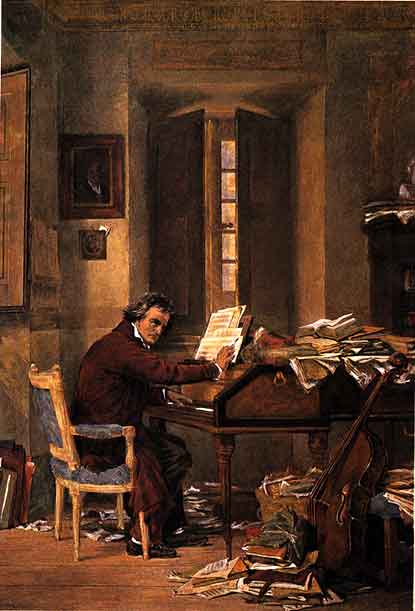
Beethoven’s Symphony No. 3, known as the Eroica, redefined the Symphony’s possibilities in size, emotional depth, and artistic ambition while also reflecting the turbulent political and personal world of its time. It broke with Classical-era conventions and bridged the Classical and Romantic eras, making it a landmark in the history of Western art music.
Composed between 1803 and 1804, Beethoven’s Third Symphony transcended the boundaries of traditional symphonic form, length, and emotional and cultural content. He conducted the first performance of the symphony to a small private audience in June 1804, as well as the first public performance in April 1805.
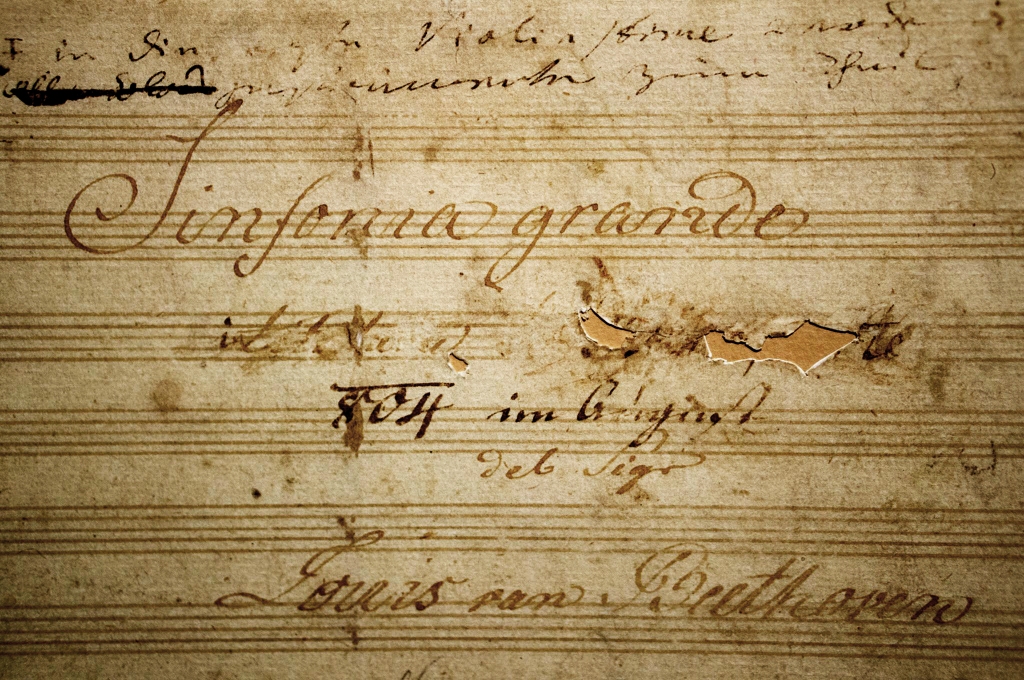
This was a period marked by the late stages of the French Revolution and the rise of Napoleon Bonaparte. Symphony No. 3 emerged at a turning point in Western culture. Napoleon Bonaparte was celebrated in many European circles as a revolutionary hero who embodied the ideals of liberty, equality, and meritocracy enshrined in the French Revolution. The Eroica was originally dedicated to Napoleon, but when he crowned himself Emperor in 1804, Beethoven rejected him as a tyrant and renamed the work Sinfonia eroica. This shift reflected both personal outrage and a broader cultural disillusionment with the betrayal of revolutionary ideals.

Heroism was a common theme in literature and art at the time – the epic heroes of Homer and the characters in works by Goethe and Schiller (two of the most influential figures in German literature central to the Weimar Classicism movement). The characters in their work embodied moral courage, personal struggle, and the triumph of the individual against adversity, themes that permeate the Eroica’s dramatic structure. This is where we see Beethoven connect his music into a broader cultural context. Given his personal crisis over his hearing loss, this symphony can be read as both a public celebration of heroism and a private testament to resilience.
At the time of its premiere, the Eroica was the largest, longest, and most complex symphony ever written. Beethoven pushed the limits of orchestration. He gave the winds and horns a more prominent, independent role. He used a broader palette of keys and harmonies to express extreme emotional contrast. This made the symphony feel like a single, continuous dramatic narrative rather than a set of separate movements.
Historians also call this symphony the first true Romantic symphony. It introduced the kind of personal, confessional, and even confrontational expression that would define Romantic music, foreshadowing the psychological depth explored by later composers. It remains a foundational work in Western music to this day.
What to listen for:
- Movement I: Allegro con brio
- The first movement is in sonata form and begins with two striking E♭ major chords, setting a heroic tone. The first theme is a simple arpeggio presented by the cellos that feels bold and declarative. It is transformed into a weighty, dramatic statement through orchestration and rhythmic drive. Listen for the tension introduced with a C# by the fifth bar of the piece followed by its resolution in the recapitulation. The tension and resolution here symbolize a struggle and overcoming, a hallmark of Beethoven’s heroic style. This movement feels bold, assertive, full of heroic energy and power.
- Movement II: Marcia funebre. Adagio assai
- Symphony No. 3 is the first known symphony to include a full “funeral march” movement. It was an unprecedented innovation at the time. This movement is the symphony’s emotional core, a stark funeral march in C minor that features slow, mournful rhythm and somber harmonies that evoke mourning and reflection. Listen for the oboe solo as the “narrator” of the story. The transparent structure and recurring motifs create a solemn, haunting atmosphere, as if offering an elegy – a moment of stillness after the first movement’s agitation.
- Movement III: Scherzo: Allegro vivace – Trio
- This movement is a light, lively scherzo in E♭ major, offering a playful and almost mischievous contrast to the preceding Adagio. The triple-meter dance rhythm and the trio’s gentler texture provide relief, but the movement’s liveliness is supported by Beethoven’s characteristic rhythmic vitality. Listen for the “hunting call” in the distinctive horn section solo that offers a moment of pastoral contrast. This movement feels like a breath of fresh air – a moment of joy and movement before the finale.
- Movement IV: Finale: Allegro molto – Poco andante – Presto
- The fourth movement is a hybrid between sonata form and theme-and-variation. It synthesizes material from earlier movements, building energetic variations that culminate in a powerful and triumphant return to the original key of E♭ major. The feel is celebratory and victorious, a grand conclusion that ties the symphony’s heroic narrative together. Listen for the bold rhythms of the first theme, and the lyrical contrast in the second theme.
The overall emotional arc of the Eroica moves from heroic declaration to solemn mourning, then from lively relief to a triumphant resolution, creating a dramatic emotional journey that reflects Beethoven’s “heroic” middle period.
How Beethoven expanded on the foundations he set in Symphony No. 2
- Greater scale and length
The Eroica is far longer than Symphony No. 2. The first movement alone is almost as long as an entire earlier symphony. The expansion in duration allowed for more complex thematic development and a broader emotional arc.
- New emotional depth
Symphony No. 2’s movements, while intense, stayed within the Classical emotional palette. In contrast, Symphony No. 3 introduced the funeral march (Movement II), a somber, dramatic form unprecedented in the symphony genre. This added a layer of tragedy and gravity not present in Symphony No. 2.
- Expanded orchestration and dynamic range
Beethoven enlarged the orchestra for Symphony No. 3, adding more brass and percussion and using them with greater impact. The dynamic contrasts and orchestral color are more extreme than in Symphony No. 2, creating a more epic sound world.
- Structural and thematic innovation
The Eroica pushed boundaries in sonata form beyond the conventional form used in Symphony No. 2. The thematic development sections are more elaborate, and the transformation of the theme over time creates a stronger narrative arc – moving from heroism to mourning to triumph. This shift made the symphony a “musical narrative” rather than a set of contrasting movements.
- Conceptual shift
Symphony No. 2 was still a celebration of lightness and wit, even with its scherzo. Symphony No. 3 redefined the symphony as a vehicle for human struggle and heroism, reflecting Beethoven’s personal crisis with his hearing and the political upheaval of the era. This was a Romantic-era vision, far beyond the Classical ideals of Symphony No. 2
The Eroica was born from a convergence of revolutionary politics, literary ideals of heroism, and Beethoven’s own life struggles. It stands as a cultural artifact of the late Enlightenment and early Romantic world, where the boundaries between political ideals, artistic expression, and personal identity were deeply intertwined.
Witness the next step of the revolution live with Pacific Symphony and Alexander Shelley in the Renée and Henry Segerstrom Concert Hall in Costa Mesa, California on January 29, 2027. This second concert of the Beethoven Revolution Festival will feature Beethoven’s Symphony No. 3 and Symphony No. 4.
Don’t miss Symphony No. 1 and No. 2 live on January 28, 2027. Get tickets and read more about each symphony here:
Immerse yourself in the other symphonies and other special events in the Beethoven Revolution Festival! Explore here.


Leave a Reply