
Grieg’s Piano Concerto in A minor
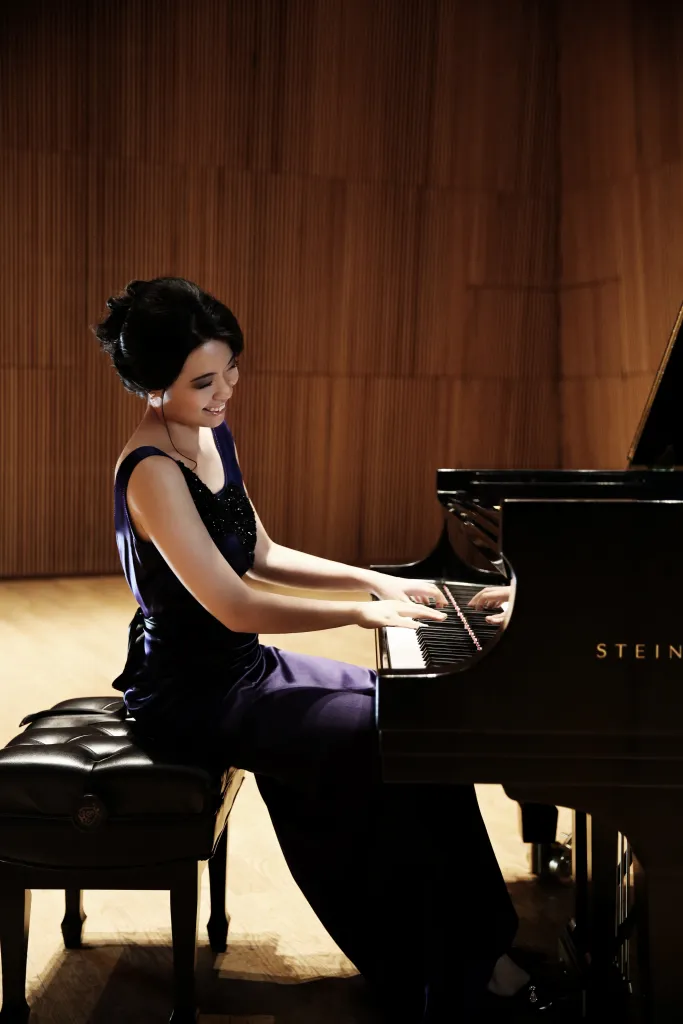
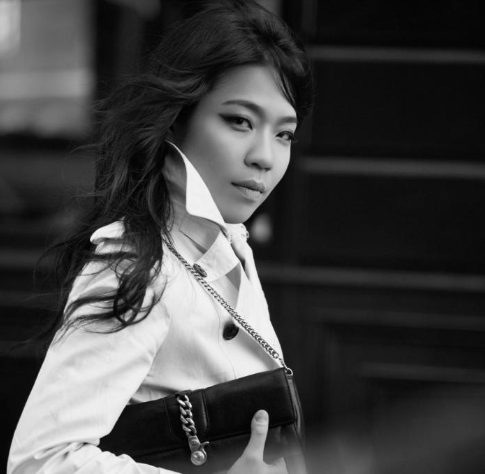
Grammy-nominated pianist Joyce Yang will reunite with Pacific Symphony December 3-5, 2026 to play Grieg’s renowned Piano Concerto in A minor. Yang, described as an “Astonishing virtuoso with tremendous suggestive power and imagination” (Neue Zurcher Zeitung), has performed with Pacific Symphony on a number of occasions and is well known for her “attention to detail and clarity” as well as “her agility, balance and velocity” (The Washington Post).
The concerto of the evening is the only concerto that Edvard Grieg (1843-1907) completed – and one of the most popular concertos in the genre. Grieg wrote the work in 1868, at just 24 years old, during a visit to Denmark. It was premiered by Edmund Neupert, the dedicatee of the concerto, in April of 1869. The following year, Grieg visited famous pianist and composer Franz Liszt in Rome. Liszt sight-read the concerto in front of guests and made comments to Grieg as he did so – he was enthusiastic about the fresh new work and encouraged Grieg to “keep boldly on” and to not let the critics bring him down.
Fun fact: Grieg’s Piano Concerto in A minor is the first piano concerto ever recorded. In 1909, Wilhelm Backhaus played a much shorter cut of the concerto, about 6 minutes, due to the technology at the time.
The concerto supplies evidence of Grieg’s interest in Norwegian folk music. The opening flourished follows a typical motif heard in Norway’s folk music – a falling minor second followed by a falling major third. The same motif occurs in other of his works, like the String Quartet No. 1. Another sign of Norwegian folk influence is the last movement’s similarities to the halling (a Norwegian folk dance) and imitations of the Hardanger fiddle (the Norwegian folk fiddle).

Grieg had a gift for lyrical writing, evident in the lush themes throughout the concerto. The themes in the first and third movements are more folk-like. Grieg takes the main ideas of the composition and repeats them without ever becoming static, cleverly forming the introductory material into new melodies throughout the first movement. The second movement is in three parts: the orchestra expressing the exquisite main theme, followed by a contrasting, lighter sound in the piano, and lastly a reprise of the main theme. The finale has a dance-like theme, leading to a dramatic section before returning to a lighthearted transformation of the original material. Learn more in the “What To Listen For” section below.
The concerto is often compared to the only piano concerto that Robert Schumann ever wrote. Grieg had heard a performance of Schumann’s concerto played by Clara Schumann in Leipzig in 1858. Both concertos are in the same key, parallel forms, and have similar explosive introductions. Despite the similarities of Grieg’s concerto to Schumann’s, it is one of the most refreshing and heroic piano concertos of the Romantic Era. Grieg was never quite satisfied with the concerto and revised the work many times, leading to over 300 differences from the original orchestration. The final version that is known and loved today was completed only a few weeks before Grieg’s death in 1907.
Click Here to Read What To Listen For:
- Movement I: Allegro molto moderato
- This movement is dramatic and rhythmic. It opens with a timpani roll and a plunging piano flourish that brings a sense of conflict and urgency. The theme is in A minor and is decisive and folk-inspired, evoking the energy of a Norwegian peasant dance. The second theme in C major offers a lyrical contrast, creating a balance between drive and tenderness. The drama then develops, and the movement closes with a virtuosic cadenza that feels exhilarating – a climactic, ending on a fiery, resolved note. The movement is a perfect mix of rhythmic excitement and Romantic grandeur.
- Movement II: Adagio
- The Adagio is lyrical and dream-like. It seems to suspend time and shift the listener into a warm, introspective environment. The piano and strings are gentle and song-like, playing melodies that resemble lullabies with subtle harmonic shifts that add glimmers of color. The mood is tender and still, but small climaxes give a hint of motion. The movement is serene and intimate, then leads directly into the finale with no break.
- Movement III: Allegro moderato molto e marcato – Quasi Presto – Andante maestoso
- The finale returns to the original key of A minor with an energetic, dance-like theme reminiscent of the folk spirit in the opening. The second more lyrical theme in F major offers a softer melodic contrast, and the movement alternates between the two moods. The quasi presto brings out a festive variation on the first theme, and the closing Andante maestoso alters the second theme in a dramatic, majestic manner. The final resolution in A major transforms the tension from the opening into radiant affirmation. It feels lively and ultimately triumphant – a blend of dance, lyricism, and grand celebration.
The concerto’s emotional journey moves us from dramatic urgency to poetic stillness, and finally to joyful resolution, with each movement offering a distinct emotional landscape.

In her Pacific Symphony debut, conductor Ruth Reinhardt will conduct Detlev Glanert’s Three American Preludes – Prelude No. 1 as well as Dvořák’s Symphony No. 6 to finish out the program.
Experience a program of wonderful classical music to kick off the joyful holiday season. Buy tickets here.


Leave a Reply