
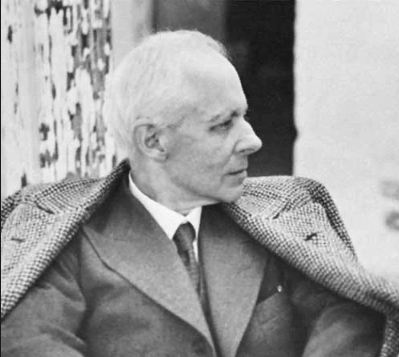
How can music become a source of strength? Few works answer that question more powerfully than Béla Bartók’s Concerto for Orchestra. Written during one of the most difficult periods of his life, filled with illness and uncertainty, the piece radiates vitality, imagination, and resilience. Rather than dwelling on hardship, Bartók created music that celebrates the full range of human experience, from moments of wit and tenderness to passages of breathtaking power. It is little wonder that audiences have connected with this extraordinary work for generations. Artistic & Music Director Alexander Shelley selected this piece as part of Pacific Symphony’s exploration of composers who chose to make America their home. Experience this inspiring musical journey live in Costa Mesa, November 19-21, 2026.
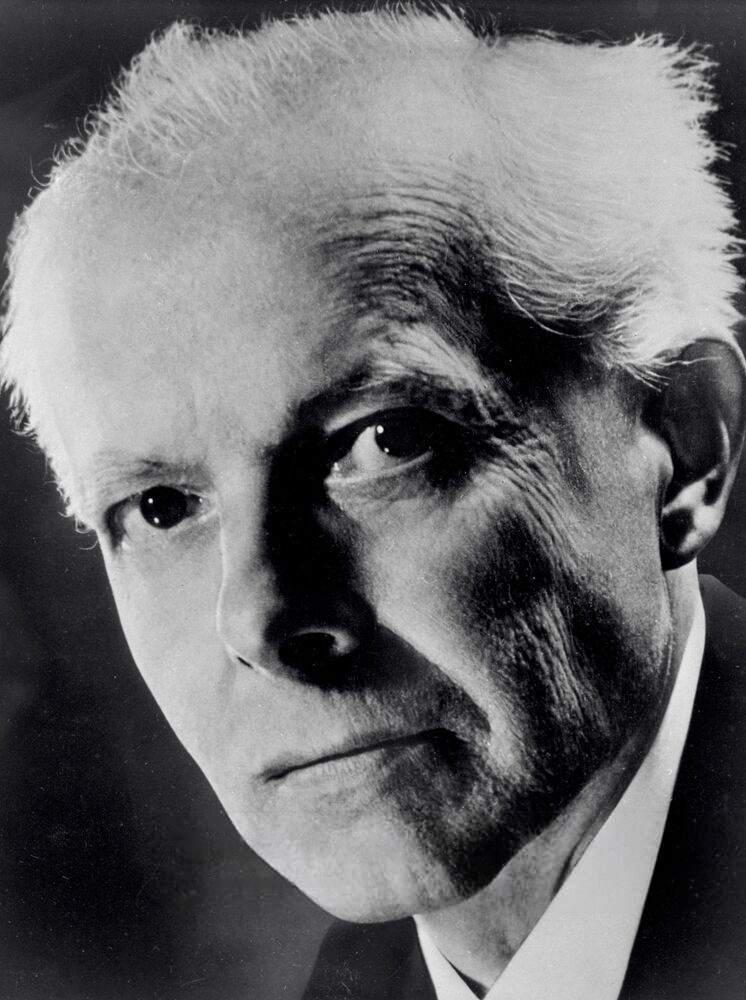
The story behind Bartók’s concerto for orchestra begins in the spring of 1940, when Bartók traveled to Washington D.C. with his friend, the violinist Joseph Szigeti, to perform a concert at the Library of Congress. Mounting political tensions in Europe led Bartók to consider beginning a new life in the United States.
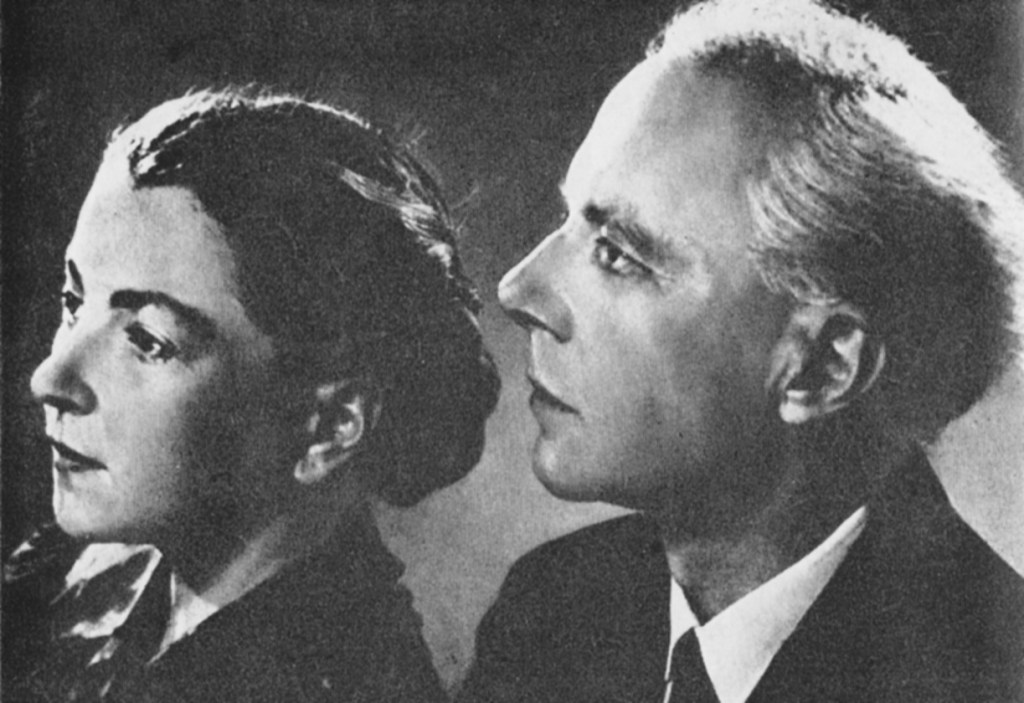
He was the foremost Hungarian composer of his day, but the 1930s and 40s were particularly challenging for musicians in Central Europe. Bartók was fascinated by folk music, and drew inspiration from traditional melodies and rhythms that shaped a distinctive musical voice that celebrated cultural expression across borders. Hungary’s descent into fascism in the 1930s had made life intolerable for the composer, and he took up the opportunity to call America his new home. After returning briefly to settle his affairs and wish his colleagues and friends farewell, Bartók and his wife, Ditta, emigrated to New York in the fall of 1940.
Although Bartók found meaningful work studying and preserving folk music at Columbia University, life in America proved challenging. Financial struggles mounted, and by 1942 his health had begun to deteriorate. A year later, after collapsing during a lecture, he was hospitalized with a severe illness. His friends and the American Society of Composers, Authors, and Publishers (ASCAP) rallied together to pay for his medical expenses.
For audiences hearing the Concerto for Orchestra today, it is difficult to imagine the uncertainty surrounding its creation. The work never sounds defeated or resigned. Instead, it bursts with energy, color, and invention, making the story behind its composition all the more remarkable.
His friend Joseph Szigeti went to the conductor of the Boston Symphony, Serge Koussevitsky, to convince him to commission a new work from Bartók. Koussevitsky agreed enthusiastically, and promptly visited Bartók in the hospital to commission a piece at the behest of the Koussevitzky Foundation. Although there were doubts about whether Bartók was well enough to undertake a major project, the commission reignited his creative spirit. By October of 1943, he had completed the five-movement Concerto for Orchestra.
Although Bartók had largely given up the idea of composing new works, the commission led to one of the greatest successes of his career. Premiered by the Boston Symphony Orchestra in 1944 under Serge Koussevitzky, the Concerto for Orchestra became a triumph and inspired several more works before Bartók’s death in 1945. In his time of need, friends and colleagues helped inspire him to keep creating, leaving a musical legacy that continues to resonate today.
When audiences hear Bartók’s Concerto for Orchestra, they encounter a work alive with mystery, humor, imagination, and power. Individual sections of the orchestra emerge as vivid musical characters – sparkling woodwind dialogue, powerful brass proclamations, and sweeping string melodies carry listeners through the shifting moods and striking contrasts. Knowing the story of its creation makes the experience even more moving. Created during a period of illness, exile, and uncertainty, the concerto became Bartók’s triumphant response to adversity and a lasting gift to his adopted country.
What To Listen For
- Movement I: Introduzione. Andante non troppo – Allegro vivace
- The first movement is a slow introduction that presents the main musical ideas, like consecutive intervals of fourths and mirror ideas (creative transformations of existing melodies by creating a “mirror image” of the phrase). After the initial setup of musical material, the orchestra picks up into an allegro with several passages in a fugato (fugue-like) style. The tension is palpable – emphasized by the shadowy sound in the low strings and the contrasting harmony in the upper wind instruments. Listen for the brass choir section and the oboe solo near the end of the movement. The spirited energy and determination of the ending suggests strength and resolve.
- Movement II: Presentando le coppie. Allegro scherzando
- The mood shifts in the second movement to playful and mischievous banter between the high and low woodwinds. This movement is called “Game of Pairs”. It has five sections that are thematically distinct from each other. Each pair of instruments is assigned an interval: bassoons are a minor sixth apart, oboes in minor thirds, flutes in fifths, muted trumpets in major seconds, and clarinets in minor sevenths. This movement is whimsical and offers a beautiful contrast from the seriousness of the movement before and the third movement that comes after.
- Movement III: Elegia. Andante non troppo
- The third movement, “Elegia”, is a slow movement similar to the first, in Bartók’s “night music” style. Night music was used in slow movements of his multi-movement compositions and is “characterized by eerie dissonances providing a backdrop to sounds of nature and lonely melodies”. This style is meant to paint imagery of a nighttime scene: bird calls, frog-like rhythms, and tone clusters. The movement revolves around three themes introduced in Movement I. It has a melancholy, almost eerie atmosphere, and the emotional tone is reflective and sorrowful.
- Movement IV: Intermezzo interrotto. Allegretto
- The fourth movement features a flowing melody and shifting time signatures. This movement is somewhat march-like, and has a playful, almost satirical edge. Woven into the melody is a quoted theme from the song “Da geh’ ich zu Maxim” from Franz Lehár’s operetta The Merry Widow. The same theme had been referenced in Dmitri Shostakovich’s Symphony No. 7 “Leningrad” that premiered one year prior to when Bartók wrote his Concerto for Orchestra. There is debate about whether Bartók had been parodying Lehár directly, or Shostakovich. This theme is interrupted by glissandi (sliding from one pitch to another) in the trombones and woodwinds. It ends with a light, spirited flourish.
- Movement V: Finale. Presto
- The last movement of Bartók’s Concerto for Orchestra features a concept known as perpetuum mobile, which is defined as part or most of a piece intended to be repeated without the “motion” of the melody being halted when a repeat begins. The main theme in the fifth movement employs this technique, competing with fugato folk melodies. After an initial solemn theme, the orchestra starts whirling through rapid, folk-dance-like rhythms. The energy here is triumphant and celebratory. The emotional trajectory of the work as a whole, from solemnity to exuberance, culminates in a joyful, life-affirming conclusion that resolves the tensions of prior movements. Listen for the crisp trumpet call and the never-ending swirls of string instruments.
Experience Bartók’s Concerto for Orchestra live in Costa Mesa, November 19-21, 2026 with Alexander Shelley and Pacific Symphony.
Discover more performances in Pacific Symphony’s 2026–27 Classics Series or subscribe to the season.
Leave a Reply