
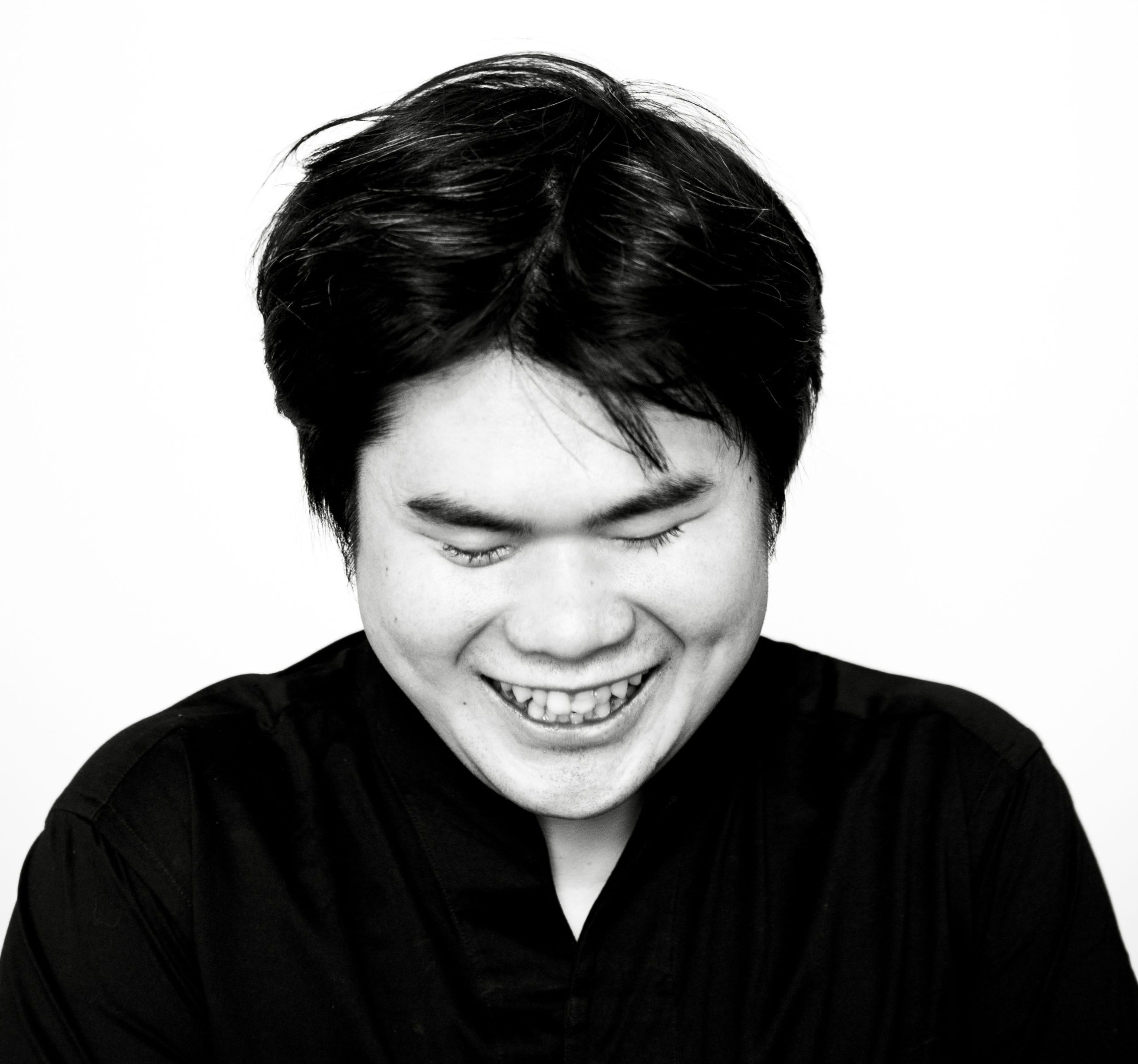
What does it mean to truly listen to music? For Japanese pianist Nobuyuki Tsujii, known as Nobu, listening is how he learns every note, discovers every nuance, and brings some of the world’s most challenging piano music to life. When he joins Artistic & Music Director Alexander Shelley and Pacific Symphony for Rachmaninoff’s Piano Concerto No. 3, audiences can experience a remarkable meeting of musical storytelling, emotional depth and extraordinary artistry.
Rachmaninoff’s Music: A Journey from Longing to Triumph
Sergei Rachmaninoff understood how to turn emotion into music. One of the last great Russian Romantic composers, he filled his works with sweeping melodies, rich harmonies and dazzling piano passages that can sound both deeply intimate and overwhelmingly powerful.
His life was marked by personal and professional struggles. After the disastrous reception of his First Symphony, he battled depression and sought treatment before regaining his creative confidence. Later, the Russian Revolution forced him to leave his homeland in 1918. Though he became a celebrated concert pianist, composing grew increasingly difficult, and he completed relatively few new works in exile.
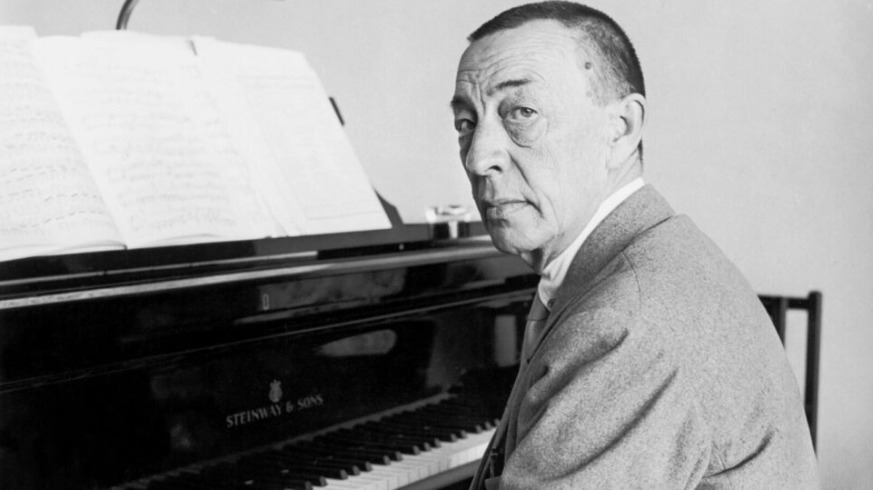
That sense of longing, vulnerability and resilience makes Rachmaninoff’s music especially moving. His Piano Concerto No. 3, often called “Rach 3,” is a thrilling example. Written in 1909, before his departure from Russia, it combines the grandeur of a virtuoso showcase with melodies that seem to reach for something just beyond our grasp.
The concerto is famous for its extraordinary technical demands. Rachmaninoff himself was a formidable pianist, and he wrote music that pushes the instrument to its limits. But the real magic lies in the contrast: delicate, almost whispered passages give way to rushing cascades of notes, sweeping orchestral climaxes and melodies that seem to sing.
What To Listen For
- Movement I: Allegro ma non tanto
- This movement is in sonata-allegro form revolving around a foreboding theme that starts slow but gradually develops into a complex, swirling, melody full of rhythmic subtlety and virtuosity. You can really lose yourself in the texture: the pitter-patter of rapid notes all over the keyboard, a distant timpani, pulsating woodwinds, and the singing strings sitting just below the drizzling notes of the piano. Moments of the first movement where the piano climbs and falls feel like trying to breathe in as deeply as you can just to breathe out a perpetual sadness that builds itself up over and over again. The torrent of notes in the first movement (and throughout the piece) is what earns the concerto a spot on the list of the most difficult pieces in the piano repertoire.
- Movement II: Intermezzo
- The second movement returns to a mysterious sound. You will hear an oboe solo accompanied by horn and woodwinds and a slow, cautious melody played by the strings, in a beautiful F-sharp minor. It is somewhat of a respite after the storm of the first movement, but the rhythmic agitation comes back in. This movement is in ABACA form, shifting through a few keys between the variations. A traditional adagio tends to resolve quietly, but this movement leads right into the finale without stopping.
- Movement III: Finale
- Written in a modified sonata-allegro form, closing movement is as vigorous as the first. It is full of grand rhythms that surge forward and fall back, utilizing the entire span of the keyboard. The orchestra carries the story forward as much as the soloist must. There is a deeply emotional atmosphere here, guiding the audience through many of the themes heard in the first movement. The last section is a triumphant second theme melody in D major, ending with the same four-note rhythm that some listeners see as Rachmaninoff’s musical signature (heard in his second concerto and his second symphony.)
Listen for the music’s changing emotional landscape. The opening movement unfolds from a deceptively simple piano melody into a restless, surging drama. The second offers a more reflective, lyrical interlude, with beautiful exchanges between the piano and orchestra. Then the finale gathers momentum, bringing back musical ideas from earlier in the concerto before racing toward a triumphant conclusion.
It is music that asks you to feel as much as to listen—and hearing it live reveals the full force of that emotional journey.
Nobu: Learning the Music Through Listening
Nobu has his own extraordinary relationship with sound. Born blind, he began playing piano at age four and went on to become an internationally acclaimed pianist, performing with leading orchestras and conductors around the world.
He learns music entirely by ear, using a method he calls “music sheets for ears.” Rather than relying on printed scores, Nobu works with assistants who record compositions in small sections, often separating the right and left hands. He listens repeatedly, memorizing the notes, rhythms and phrasing until he can bring the entire work together.
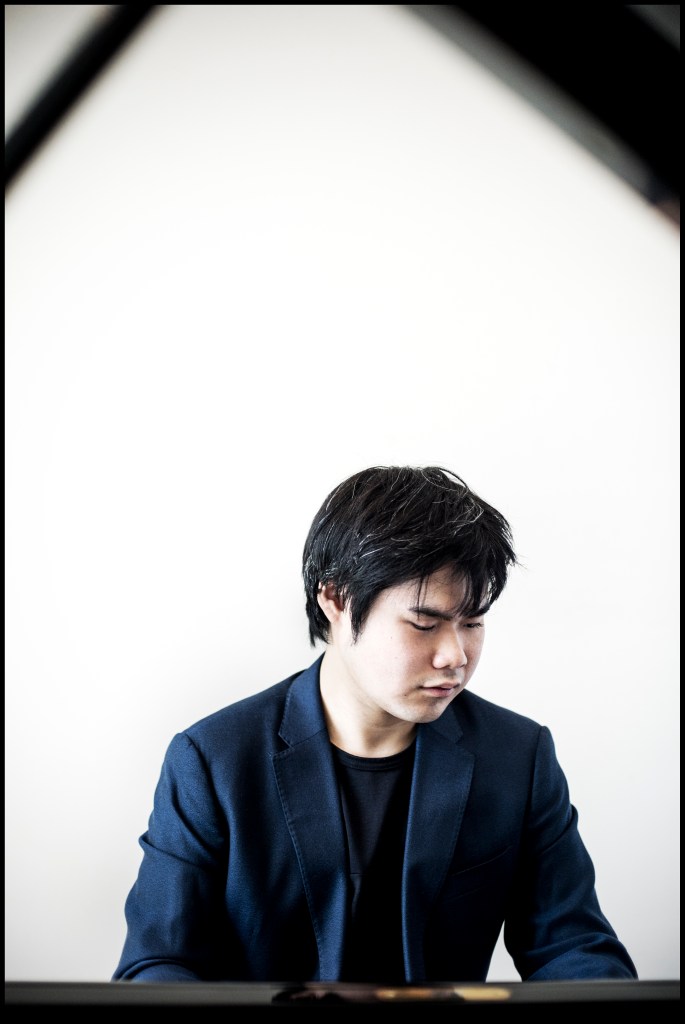
In a 2011 interview, Nobu explained that learning a short piece might take several days, while a large sonata or concerto could take a month. Consider what that means for Rachmaninoff’s Piano Concerto No. 3, with its torrents of notes, intricate rhythms and demanding interplay between soloist and orchestra.
Yet Nobu’s musicianship goes far beyond memorization. He listens intently to the musicians around him, sensing the orchestra’s movement and even following the conductor’s breathing to stay connected to the ensemble. His performances are celebrated not just for their technical brilliance, but for their emotional expressiveness.
There is a beautiful connection between Nobu’s approach and Rachmaninoff’s music. Both invite us to look beyond the notes themselves and discover the feeling beneath them. One tells a story through melodies shaped by longing and triumph; the other brings that story to life through an extraordinary depth of listening.
Experience Rachmaninoff Live
Some music is best experienced in person. In Rachmaninoff’s Piano Concerto No. 3, you can feel the piano’s energy, hear melodies pass between soloist and orchestra, and experience the exhilarating build toward the final, triumphant notes.
Join Nobuyuki Tsujii, Artistic & Music Director Alexander Shelley and Pacific Symphony for a performance that brings together one of classical music’s great emotional journeys and a pianist whose artistry reminds us just how much music can communicate.
Nobu Plays Rachmaninoff’s Mighty Third
November 19, 20 and 21, 2026, at 8 p.m.
Renée and Henry Segerstrom Concert Hall, Costa Mesa
Arrive early for a Preview Talk at 7 p.m. with Classical California midday host Alan Chapman. Image Magnification during the concert offers an up-close look at the musicians and their performances.
Get tickets to Nobu Plays Rachmaninoff’s Mighty Third
Discover more performances in Pacific Symphony’s 2026–27 Classics Series or subscribe to the season.
For another encounter with Rachmaninoff’s extraordinary musical world, join us February 25–27, 2027, for Long Yu Conducts Rachmaninoff.
Leave a Reply