
On October 22-24, 2026, Artistic & Music Director Alexander Shelley will conduct three pieces related in some way to film music. Film music has long been shaped by the traditions, techniques, and musical aesthetics of classical music. Film composers borrow expressive techniques and orchestration methods to serve cinematic storytelling, and filmmakers borrow the music itself to underscore moments in their films.
The list of classical music used to underscore films is quite extensive. Classical works are often deeply emotional and thematically rich – and sometimes very familiar – so filmmakers can evoke strong feelings without relying solely on original music. Think of La Traviata by Verdi used in the opera scene in Pretty Woman (1980), or Beethoven’s Symphony No. 7 Movement II in The King’s Speech (2010) to accompany King George VI’s radio address. Without composing an original score, film music directors can convey awe, romance, struggle, and triumph all while harnessing the power of celebrated classical music.
There are three film-related scores on the program for October 22-24:
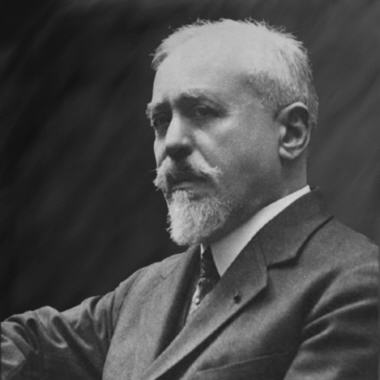
The Sorcerer’s Apprentice by Paul Dukas:
French composer Paul Dukas wrote this symphonic poem in 1897. This is, by far, Dukas’ most performed work. It was already a popular choice for concert programs when it was brought to an even larger audience through the 1940 Walt Disney animated concert film Fantasia. This movie takes 8 well-known classical pieces and sets them to an animated scene: for The Sorcerer’s Apprentice, Mickey Mouse plays the role of the apprentice. It was so iconic that it was recreated in Fantasia 2000 as well as Disneyland’s live performance Fantasmic! with the same iconic Mickey Mouse apprentice character.

Dukas starts the piece with a slow tempo that builds a frame for the story, a calm before the storm. You can hear a solo flute, a solo horn, and a shimmering background of violins, then the orchestra becomes a flurry of voices that fall silent after a thud from the timpani – and the story begins. The momentum builds in a series of perfectly crafted variations that reflect the chaos of the sorcerer’s commands. This thrilling scherzo tells its story by giving each instrument a character to play. Listen and see if you can tell which instruments represent the broom, the flood, and the sorcerer!
Violin Concerto No. 2 by James Newton Howard
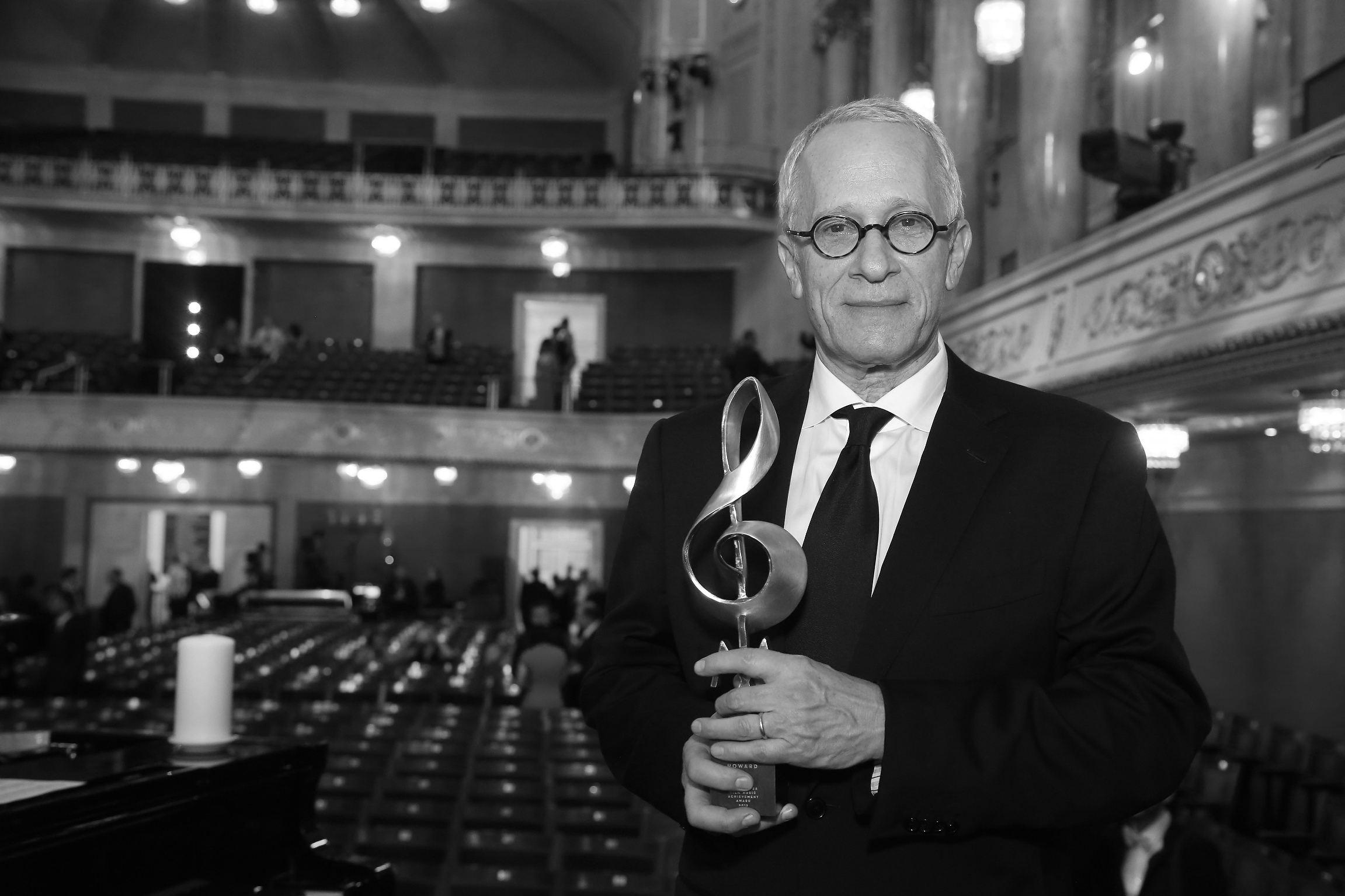
James Newton Howard is a Grammy Award-winning film composer, orchestrator, and music producer. His film scores include Atlantis: The Lost Empire (2001), The Dark Night (2008), The Hunger Games series (2012-present), Raya and the Last Dragon (2021), and many other films including several directed by Christopher Nolan and M. Night Shyamalan. He also debuted his orchestral work I Would Plant A Tree in February 2009 with Pacific Symphony as part of our American Composers Festival.
This is Howard’s second Violin Concerto for James Ehnes, Canadian-American violin virtuoso who will join Pacific Symphony on October 22-24. In an interview with the Royal Scottish National Orchestra about the concerto, Howard talks about the challenges of writing for the stage instead of the screen: he says a film score is there to “help people understand whose character they’re supposed to be following,” but in a classical concert piece with no dialogue, the possibilities for stories and characters are infinite, so you have to carefully choose how to form the musical dialogue between the soloist and the orchestra.
Also sprach Zarathustra by Richard Strauss
Also sprach Zarathustra (Thus Spoke Zarathustra) is a tone poem inspired by Friedrich Nietzsche’s philosophical work by the same name (written 1883-1885). Strauss wrote this piece in 1896 and conducted its premiere that same year in Frankfurt, Germany. You will probably recognize it immediately from its initial fanfare, known as “Sonnenaufgang” or “Sunrise.” It begins with a low drone in the double basses, contrabassoon, and organ. A brass fanfare emerges, using three notes in intervals of a fifth and an octave (C-G-C), forming the “nature motif” in a powerful crescendo that suddenly darkens into minor at the very end of the first section. This piece was most famously used in Stanley Kubrick’s 2001: A Space Odyssey. After this usage of the piece, it has been used mostly in comedic parodies to Kubrick’s work and has become irrevocably linked to science fiction settings in space. Also sprach Zarathustra was used in Pixar’s WALL-E (2008), Ghostbusters II (1989), Barbie (2023), Everything Everywhere All At Once (2022), and the list goes on.
Buy tickets now for a legendary concert by Pacific Symphony, James Ehnes, and Alexander Shelley on October 22-24, 2026 at 8pm at Renee and Henry Segerstrom Concert Hall in Costa Mesa, California. There will also be a matinee performance of Dukas and Strauss on October 25th at 3pm.
To hear more film music brought to the stage of the concert hall, look out for these upcoming concerts:
- Pixar in Concert (March 20, 2027)
- The Music of Bond, James Bond (April 16-17, 2027)
- Sci-Fi Showdown: A Galactic Journey (May 7-8, 2027)
- Shelley Conducts John Williams and The Planets (May 20-22, 2027)
Leave a Reply