

In the last Classical concert program for Pacific Symphony’s 2025-26 Season, you will hear the following selections:
ROSSINI: Overture to William Tell
BOCCHERINI: Cello Concerto in Bb Major (Grützmacher)
MASCAGNI: Intermezzo from Cavalleria Rusticana
RACHMANINOFF: Symphony No. 2
Gioachino Rossini was an Italian composer and conductor in the late Classical and early Romantic eras. In addition to his 39 operas, he wrote chamber music, piano, and some sacred music beginning when he was just 12 years old. The Overture to William Tell comes from his Opera William Tell that premiered in 1829 – the last of Rossini’s operas before he went into semi-retirement.
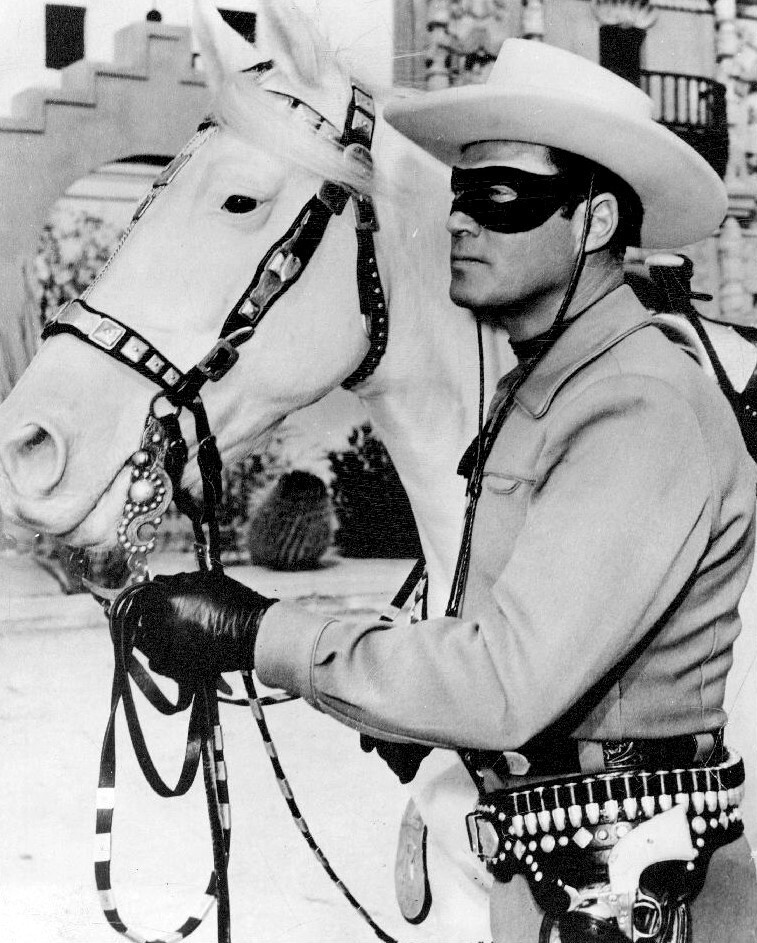
Parts of this iconic Overture are used widely in classical music and popular media: the theme music in The Lone Ranger, the theme music for The Adventures of William Tell (British series), A Clockwork Orange, The Princess Diaries, The Price is Right, The Flintstones, Bugs Bunny animated cartoons, and more. You may have even heard it in a Subway or Honda advertisement. There are four parts to the William Tell Overture:
- Prelude: Dawn
- This is a slow section in E major, featuring a solo cello answered by the cello section and double basses. Listen closely for the hint of two very quiet timpani rolls that suggest what the next part might sound like.
- Storm
- This section switches to E minor played by the full orchestra. Violins and violas start the section, with the high woodwinds punctuating their phrases. The brass section and bass drum come in with the full “storm” effect. The part ends with a solo flute.
- Ranz des vaches
- Played in G major, this section signifies the calm after the storm. The name means “Call to the Cows” and the piece features alternating phrases of the English horn and the flute. This part is often used in cartoons to signify daybreak (like in Disney’s The Old Mill and Marv Newland’s Bambi Meets Godzilla)
- Finale: March of the Swiss Soldiers
- In a return to E major, this fully orchestrated finale features the ultra-famous “galop” used prolifically in popular media. Think of a galloping horse, a race, or hero riding to the rescue – the William Tell Overture is probably one of the best-fitting soundtracks you can think of for such a scene.
See Valentina Peleggi conduct Overture to William Tell June 11-14 in Costa Mesa, California.
Next on the program is Luigi Boccherini’s Cello Concerto in Bb Major. This was the 9th of 12 cello concertos composed by Boccherini, who was a talented cellist himself. More than 100 years after its composition, German cellist Friedrich Grützmacher chose Boccherini’s Cello Concerto in Bb Major to be arranged to fit a Romantic virtuosic style. This widely used version bears only a small resemblance to the original manuscript. It merges other Boccherini Cello Concertos into the 9th throughout its 4 movements. Despite all the changes, this Concerto is considered one of Boccherini’s best-known works.
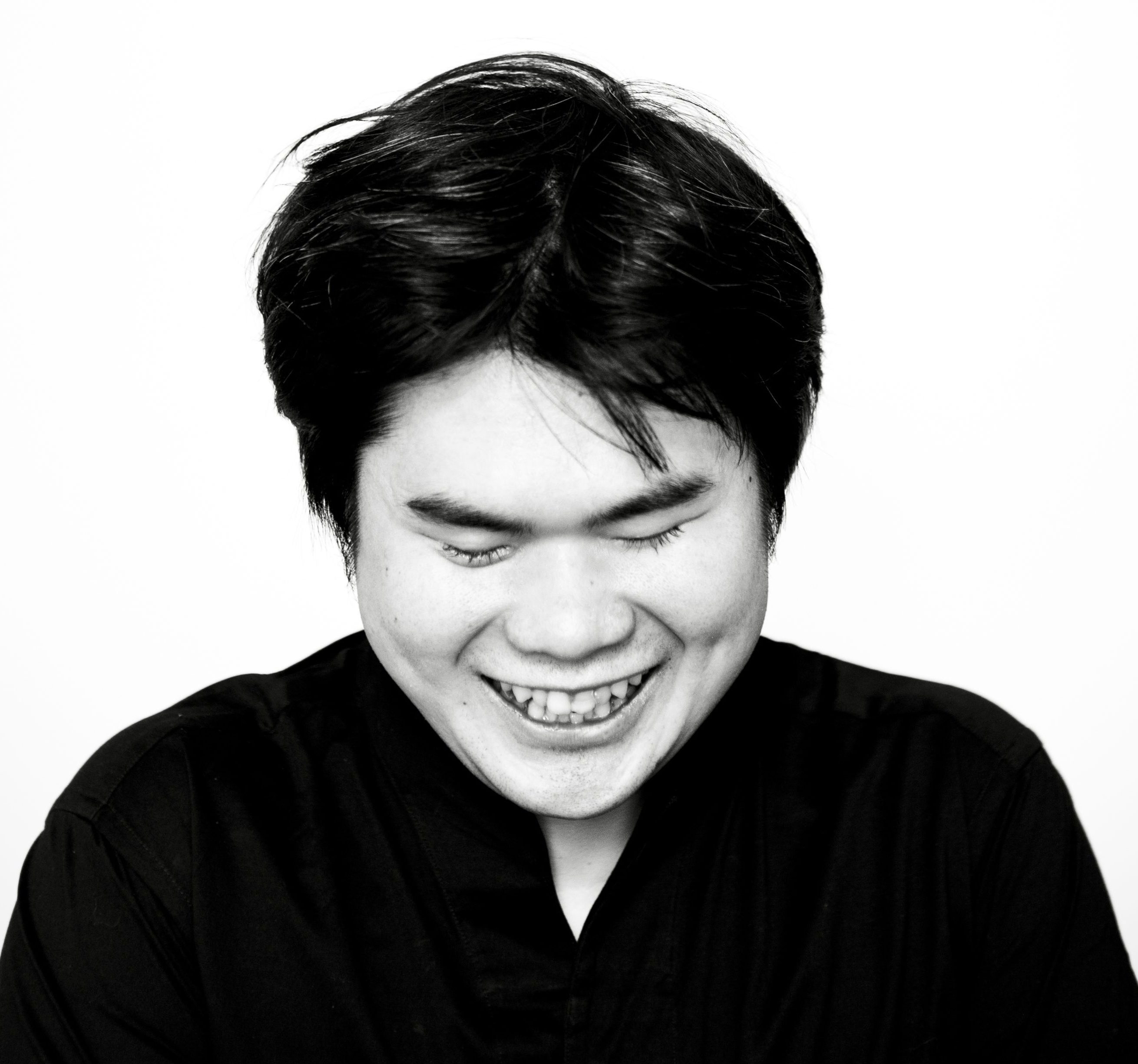
See world-renowned American Cellist Zlatomir Fung play Boccherini’s Cello Concerto in Bb Major June 11-14 in Costa Mesa, California.
Third on the program is Pietro Mascagni’s Intermezzo from Cavalleria Rusticana. This famous Intermezzo starts with slow, light string instruments and woodwind solos. It grows into sweeping full-section string orchestration. The short piece is sweet and rich, ending with a quiet ascension of the highest voices in the orchestra. This piece was used as a theme for the radio broadcast Symphony of the Rockies in the 1930s and 1940s. It has also been used in at least 4 films from 1916-1982. Its melody became so popular that it was adapted into an Ave Maria as a solo for tenor or soprano with music by Piero Mazzoni.
The last piece on the program is Rachmaninoff’s Symphony No. 2 – read all about it here.
See Valentina Peleggi conduct this program June 11-13 in Costa Mesa, California.
The Author:
Liz Butler is a writer and arts advocate who believes classical music becomes more meaningful when its stories are shared. Writing from her perspective as both a musician and a member of Pacific Symphony’s marketing team, she aims to make orchestral music approachable for new audiences while highlighting the educational, community, and artistic work that happens beyond the stage.
Leave a Reply