
“Turandot,” Giacomo Puccini’s last opera, captures many of the gritty, realistic qualities associated with verismo, which brought more relatable characters and emotions to the operatic world beginning in the late 19th century.
But its roots are ancient, and they have the feel of a fairytale or children’s story. Its origins are most likely from Haft Peykar, a twelfth-century epic by the Persian poet Nizami. What better way to present this exotic and fanciful tale than through the eyes of an impressionable kid? In Pacific Symphony’s imaginative production, stage director Eric Einhorn does exactly that.
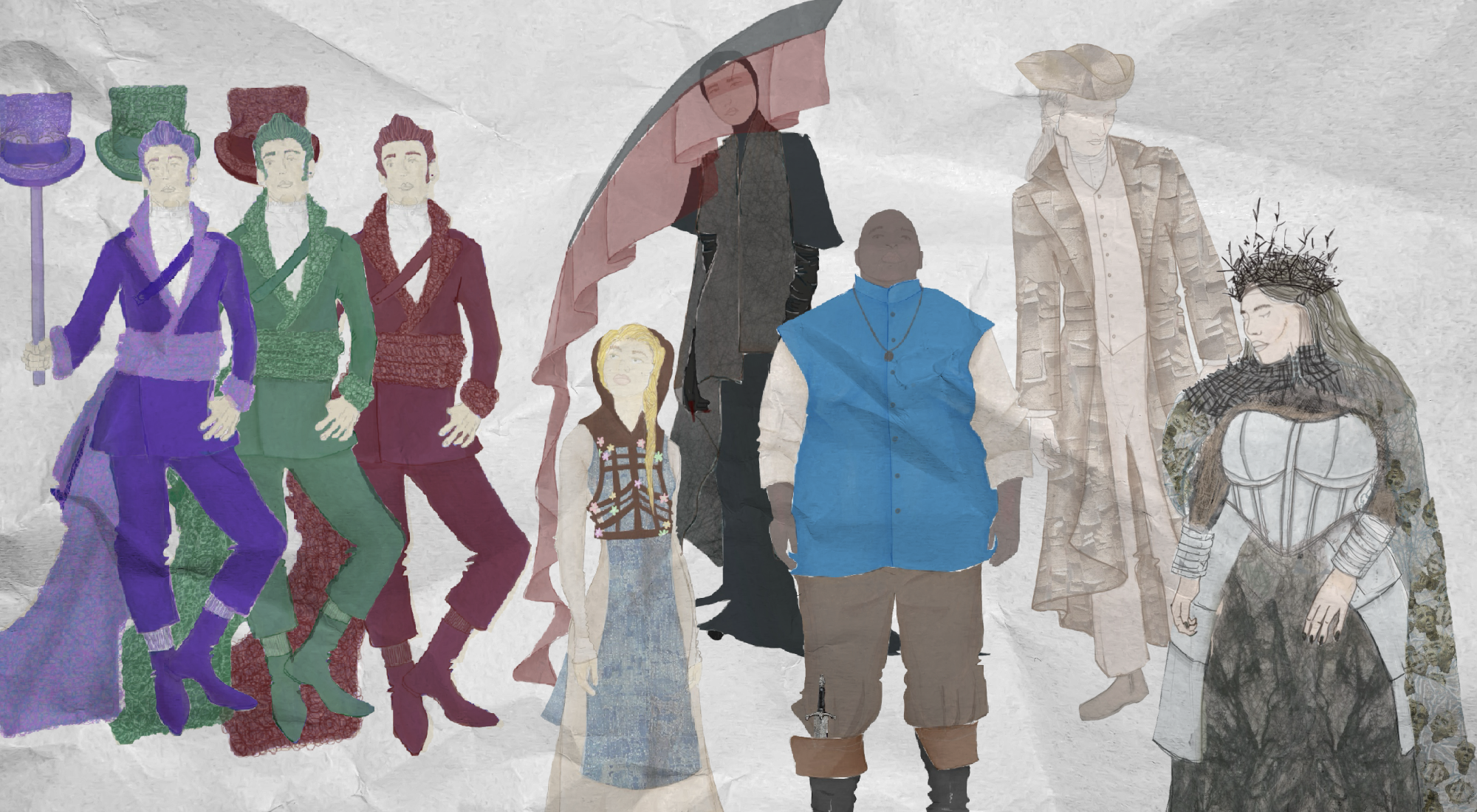
The production begins with a child reading the story from an oversized book. The first character to appear is The Mandarin, who pops directly out of the pages. Fanciful costumes, shadow puppets and sly historical references add to the childlike sense of whimsy and wonder.
“Just as Puccini’s verismo operas allowed audiences to connect with authentic, relatable emotions, I believe the composer also understood the implicit value of fairy tales as a vehicle for self-reflection and understanding,” Einhorn says. “By infusing a fairy tale with verismo sensibilities, Puccini shows us the story’s raw emotional potential and invites even the most cynical among us to find a path towards self-discovery.”
Any fan of Heinrich Hoffmann, Hans Christian Andersen or the Brothers Grimm knows that fairy tales can often be dark and even bloody. “Turandot” fits that mold perfectly.
The curtain opens on a palace, its ramparts displaying a collection of severed heads impaled on stakes. Below the ramparts, a bloodthirsty crowd cheers on an executioner who’s about to add another head to the collection:
He must die! Yes, die!
We want the executioner!
Quickly, quickly!
Death! Death!
Grind the whetstone!
Sharpen the blade!
The opening blood and gore are just a hint at the tortures to come. The title character, Turandot, is the quintessential ice princess. She’ll marry the first prince who can answer her three riddles. If the suitor guesses wrong, she’s happy to add his head to her gruesome collection. This is either a testimony to her unsurpassed beauty or to the collective stubbornness of the region’s princes.
As you can guess, a mysterious nameless prince arrives determined to solve the riddles, and he does! Happy ending, right? Um, no. Turns out she’s not that excited about marriage in general. So, the prince gives her a second chance: she can still kill him if she can guess his name by dawn. With that, Turandot decrees that no one will sleep that night until the prince’s name is discovered. Fine, says the prince. “Let no one sleep.” (In Italian, “Nessun Dorma,” one of the most celebrated arias in the repertoire.)
Famously, Puccini died before completing the opera. In March 1923, he wrote, “This infamous ‘Turandot’ terrifies me and I shan’t finish it, or if I finish it, it will be a fiasco.” Puccini was correct on count one. He’d finished the first two of three acts and most of the third before a heart attack claimed him during treatment for throat cancer in November 1924. Presciently, only a month earlier, he said to Arturo Toscanni (who was to conduct the premiere) “Don’t let my ‘Turandot’ die.”
We have a complete version thanks to composer Franco Alfano, who finished the opera from sketches Puccini left behind. That’s the version we’re most familiar with, although at least four other composers have written their own endings, including Luciano Berio and most recently Christopher Tin in 2024.
The premiere took place in 1926 at Milan’s La Scala opera house under the baton of Toscanini. On opening night, in the midst of act three, Toscanini stopped the orchestra, turned to the house, and said: “Qui finisce l’opera, perché a questo punto il maestro è morto.” In English, “Here the opera ends, because at this point the maestro died.”
Fun Facts
- If you’re wondering whether it’s pronounced “Turandott” or “Turandoh,” soprano Rosa Raisa would know. She played the title role in the premiere production and said that neither Puccini nor Arturo Toscanini ever pronounced the final t. So, “doh.”
- The libretto’s original source is Carlo Gozzi’s “Turandot “(1762). Gozzi was a master of commedia dell’arte and his version is a light comedy filled with masks, juggling, slapstick, and sarcasm. Not quite the tragic tone of Puccini, but more in keeping with Einhorn’s vision.
- Puccini borrowed some of the “authentic” Chinese melodies in the opera almost note for note from a Swiss music box.
- His struggle to finish Turandot must have felt familiar to him. After “Madame Butterfly’s” disastrous premiere he revised it extensively. He also made major revisions to “Edgar” and “Manon Lescaut.”
- The original story, “Turandokht,” dates from the 1200s. “Dokht” is a contraction for Dokhtar (“daughter”) and Turan is a region that used to be part of the Persian empire. Thus “Turandot” = “Daughter of Persia.”
- Gongs feature prominently in the opera. At the time, Puccini couldn’t find gongs that met his standards, so he commissioned a 13-piece set from an Italian cymbal-making consortium. They ultimately found themselves in the hands of New York City Opera percussionist, Howard Van Hyning, who bought them for $8,000 and rented them out for years as the “official” Turandot gongs.
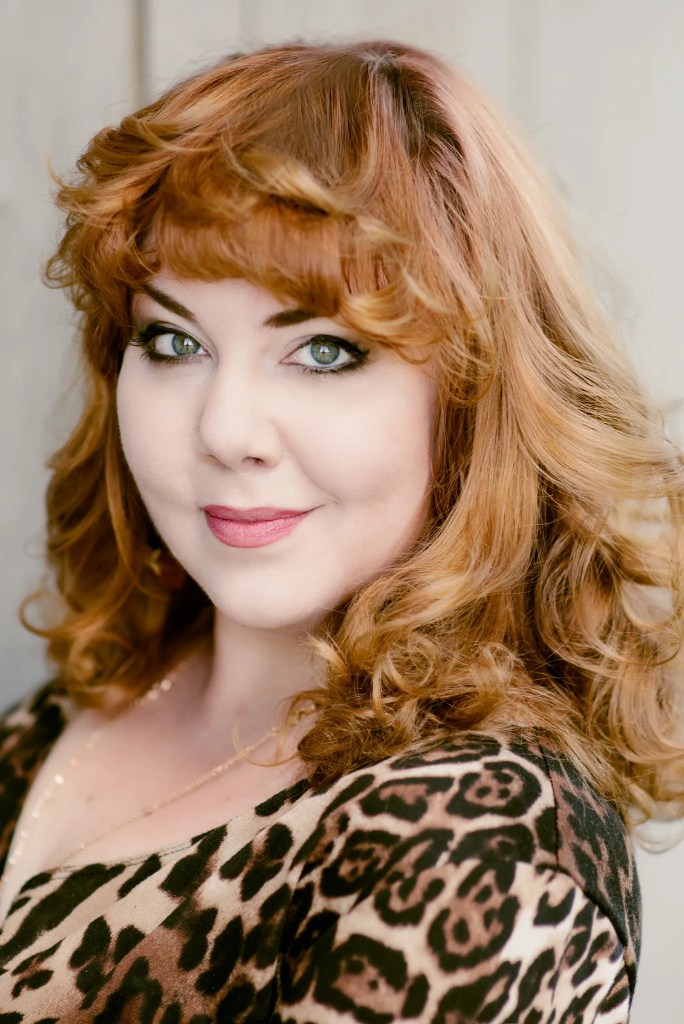
See Marjorie Owens (photo above) perform in Puccini’s Turandot with Pacific Symphony on April 16, 18, & 21, 2026. Get tickets.

Leave a Reply