
Sacred music takes as many forms as humanity has images of God. The majestic sovereign of Handel’s “Hallelujah” Chorus, the terrifying and wrathful god in the “Dies irae” of Verdi’s Requiem, the simple beauty of Bach’s “Sheep may safely graze”—all startlingly different from each other, and all capturing some facet of our perception of deity.
We know that these are just facets, though; efforts to describe the indescribable. Whether we are believers, non-believers, or in-between, we are all humans bound in time and space, and will only ever have a tiny piece of the cosmic puzzle. The Via Negativa, a way of describing God by describing what He/She is not, admits as much. God is not this, not that, not anything that we can express in finite terms. Regardless of how we seek to define and describe God, we will always fall short, will always be left facing a mystery that is beyond our comprehension.
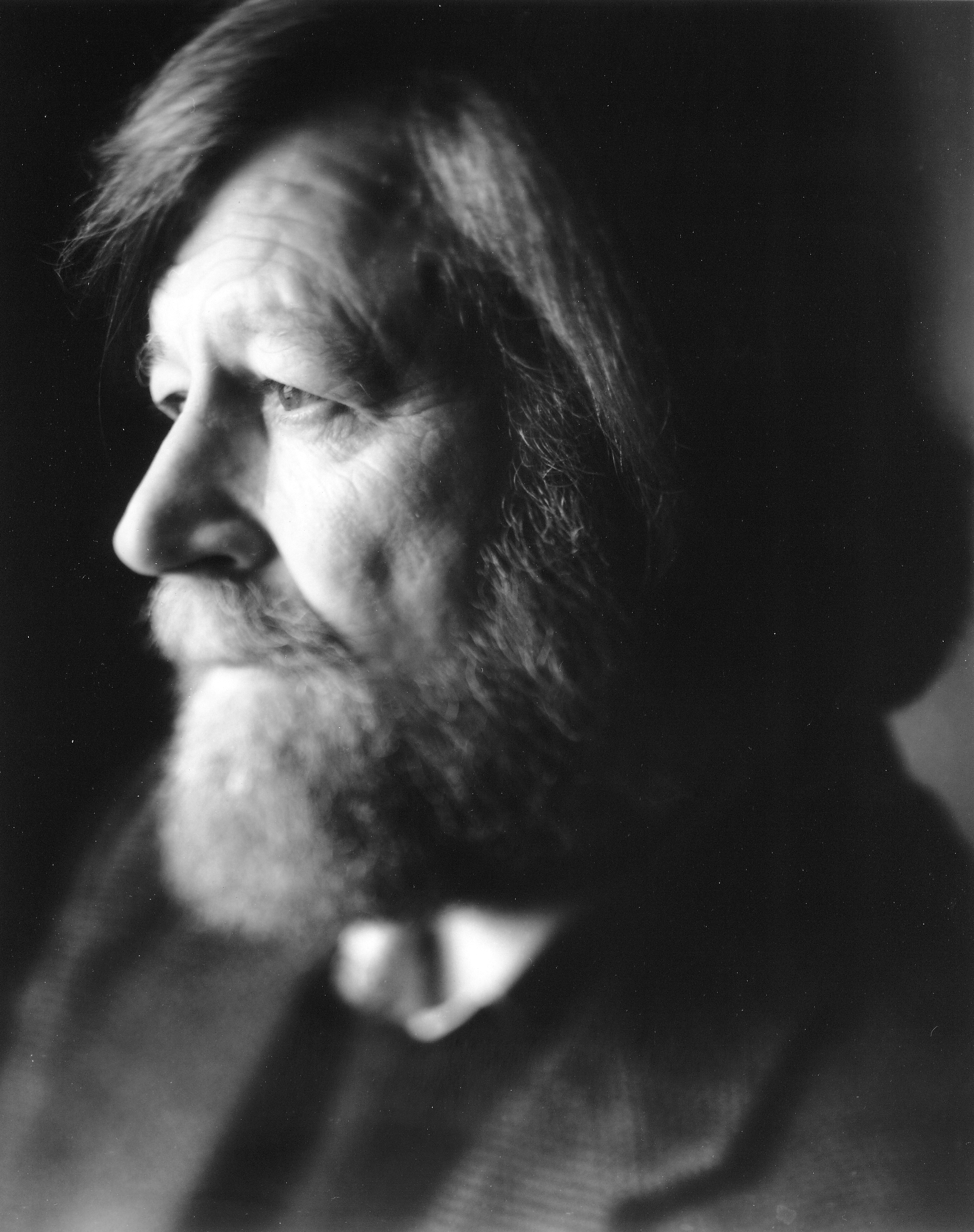
And it’s that sacred inexplicability that Southern California composer Morten Lauridsen touches in his O Magnum Mysterium, a motet for a cappella choir.
Christian tradition places the incarnation of Jesus as the primary mystery of its faith. Why did God choose to forgive humanity its failings, and why come to Earth as an impoverished infant and not as a heroic king? Christmas remains, for Christians, a joyful celebration that raises questions whose answers are perpetually elusive.
Lauridsen’s choice of text–a text also used by Palestrina, Poulenc, and Higdon among others–brings us to the heart of those questions. From a Gregorian Chant traditionally sung on Christmas Day (the Responsory from Christmas Day Matins), the words express Christian wonder at the self-abasement of God: “O great mystery, and wonderful sacrament, that animals should see the newborn Lord, lying in a manger!”
The composer found his inspiration for this piece after seeing Francisco de Zurbarán’s painting “Still Life with Lemons, Oranges and a Rose” at Pasadena’s Norton Simon Museum. Zurbarán (the “Spanish Caravaggio”) is noted for his paintings of religious subjects, and while this work is not expressly religious, it has symbolic meaning. As Lauridsen told The Wall Street Journal, “the objects in this work are symbolic offerings to the Virgin Mary. Her love, purity and chastity are signified by the rose and the cup of water. The lemons are an Easter fruit that, along with the oranges with blossoms, indicate renewed life. The table is a symbolic altar.”
Thus the remainder of the text is based on the greeting given to the Virgin Mary by her cousin Elizabeth, a text set by a thousand composers in a thousand different ways: “Blessed is the virgin whose womb was worthy to bear the Lord.”
Lauridsen expresses the joy of Advent in this brief work, and while the overall temperament is one of quiet serenity, the compositional language shifts in ways that can leave the listener unsettled. It is “sublime” not in its general usage as a synonym for “outstanding” but in its sense of being able to “elevate to a high degree of moral or spiritual purity or excellence.” It is something so otherworldly that it stops you in your tracks, and diminishes the self-absorption and ego we bear as humans. Lauridsen reaches for and grasps this rapture here, creating, in Dana Gioia’s words, a “communal meditation” that draws the listeners together regardless of their beliefs or faith traditions. O Magnum Mysterium is in some ways as accessible and clear as Schubert’s “Ave Maria,” and in some ways it leaves us as mystified as Ives’ “The Unanswered Question.”
And we as listeners are not the only ones mystified. James Arthur Bond, in the Choral Journal, recounts the composer’s own experience hearing the work being prepared by the Los Angeles Master Chorale for its 1994 world premiere:
“Lauridsen was so stunned by the musicians’ realization of beauty that afterward he sat in his car for ‘what seemed like a half an hour.’ He remembers that he whispered repeatedly to himself variations of an ultimately unanswerable, exclamatory question: ‘What was that? It was transcendent; it was transporting; it was all these things. What’s going on here? What was that? What did I just hear? It was just so incredibly beautiful. What was that?’”
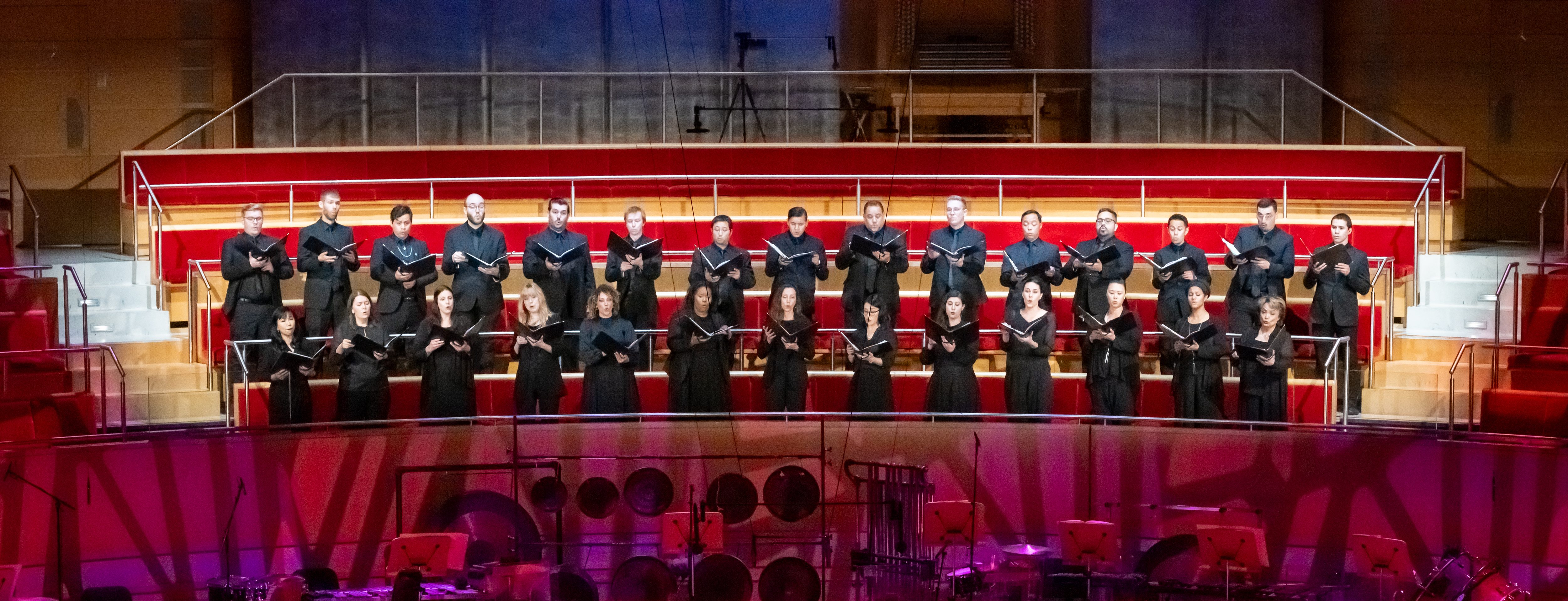
Pacific Symphony’s Carmina Burana & Bach concert Feb. 27 – Mar. 1 opens with Pacific Chorale singing Morten Lauridsen’s exquisite choral work, O Magnum Mysterium. It sets the stage for Bach’s Keyboard Concerto with Benjamin Pasternack and Orff’s Carmina Burana. Don’t miss out!
You can listen to a version sung by VOCES8 below.



Leave a Reply